WATER USE
Repower uses water primarily for the generation of hydropower and the operation of the Teverola combined-cycle gas turbine power plant. It endeavours to use water efficiently.
Impacts
In hydropower plants, the water is collected in reservoirs or water catchments and channelled to the generation equipment via the penstock. After processing, the water leaves the plant and flows back into the river via an underwater channel without the composition of the water being changed. The relevant effects on the watercourse of this type of electricity generation lie in the abstraction and return of water as well as the residual flow in between. Hydropower plants reduce the residual flow of water and can cause excessive fluctuations in the amount of water downstream (known as hydropeaking). These fluctuations can affect the living and breeding conditions of river fauna and aquatic flora, as well as influencing fish navigation (see Changes to biodiversity and landscape). To reduce environmental impact, very high standards are set when concessions are granted. By implementing the very high environmental requirements, Repower is continuously reducing the impact on flora and fauna and creating new habitats.
The Teverola combined-cycle gas turbine plant draws the water it needs to generate electricity from a well on the site. This is groundwater. The wastewater from the power plant is treated at an external sewage treatment plant. The thresholds specified in the integrated environmental licence are complied with.
Risks
The retreat of glaciers, persistent drought and an increase in heavy precipitation mean that water can no longer be utilised to the same extent and used to generate electricity (see Climate change). In addition, stricter regulatory requirements, such as those relating to residual water volumes, can reduce the amount of water available to drive turbines and thus reduce the volume of renewable energy generated.
Changes in the availability of natural resources are a component of the Repower Group’s risk and control assessment (see Introduction).
Guidelines and due diligence
Repower Switzerland has an environmental management system certified in accordance with ISO 14001 in place. The procedure for assuring the requisite volumes of residual water, ensuring fish navigation and protection, and checking the waste water treatment plants, is laid down in the operating and maintenance processes.
SET S.p.A., the operator of Teverola gas-fired combined cycle power plant, also has an ISO 14001-certified environmental management system and is registered with the European Eco-Management and Audit Scheme (EMAS). At the beginning of each three-year cycle, the management of the Teverola plant formulates an environmental programme defining the measures to be implemented as part of the environmental management system; this is updated and approved annually by the management. Every year the Teverola plant also publishes an updated environmental statement giving details of water consumption, water quality and ongoing improvement programmes.
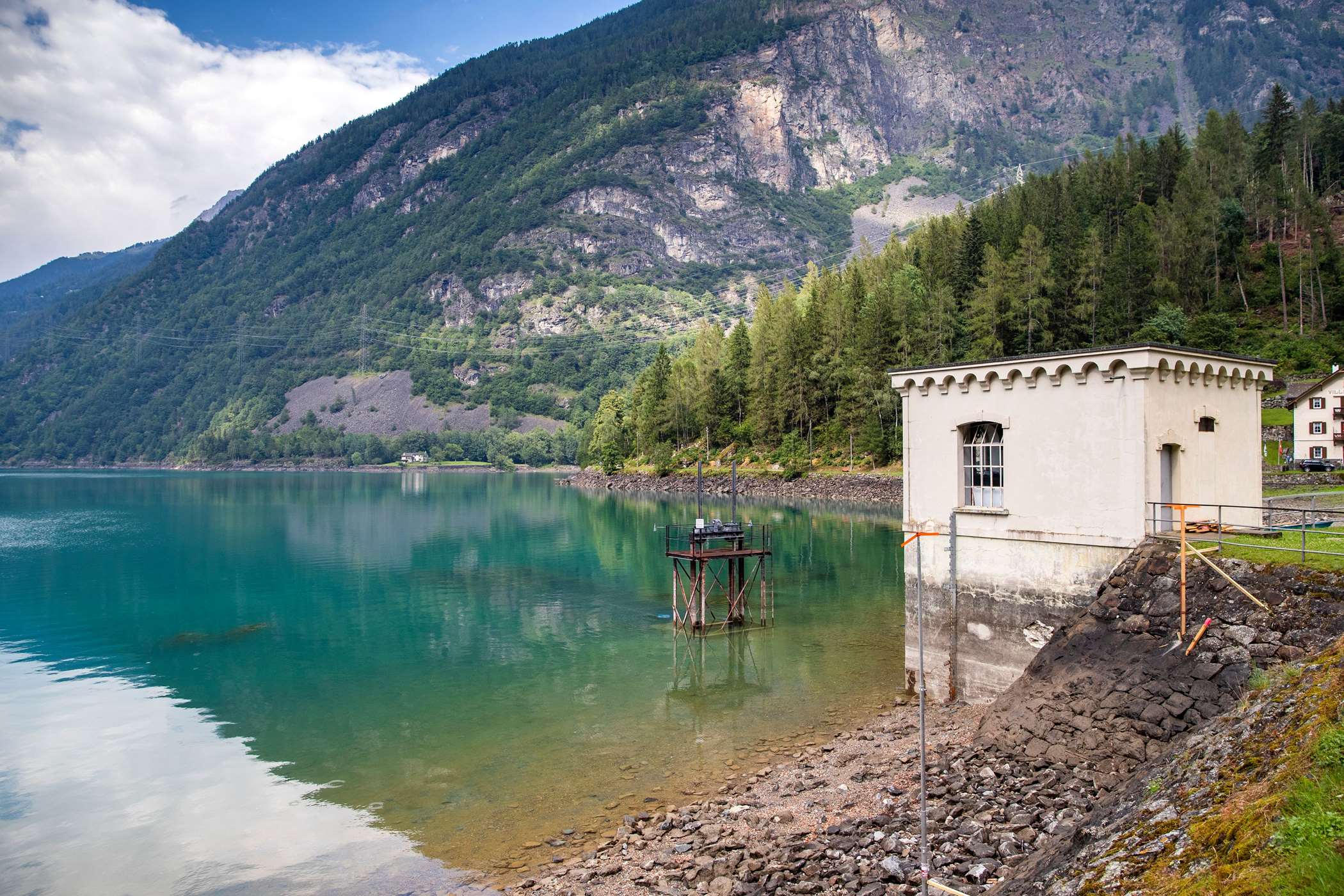
Miralago project
The objectives of the Miralago project include securing long-term hydropower generation, making efficient use of available water, restoring fish navigation and improving fish protection. In addition to other measures, the water intake for the power plants in Campocologno will be renovated. Fish migration between Lago di Poschiavo (Lake Poschiavo) and the Poschiavino river will be restored with the help of a new reservoir and the additional release of compensation water. An electrified screen will keep fish away from the intake. In addition, an enlarged intake opening will reduce the flow velocity so that fish cannot enter the penstock system. Completion is scheduled for 2028.
Measures
The Repower Group analyses the effects of water abstraction at hydropower plants in detail during the approval phase as part of an environmental impact assessment. Flora and fauna, as well as the hydropeaking regime and bedload management, are analysed in detail and suitable measures are defined.
The Teverola combined-cycle gas turbine power plant monitors its water consumption. Any irregularities that could have a negative impact on water consumption are thus assessed and rectified as quickly as possible.
Stakeholder engagement
When planning new projects or renovations, Repower Switzerland involves the relevant stakeholders at an early stage. It is important for Repower that local interests also be represented. In the case of new power plants and facilities, the environmental impact assessment is carried out with the involvement of various specialists and the environmental organisations. The final measures to be implemented are determined by the authorities.
Teverola combined-cycle gas turbine power plant publishes an updated environmental statement every year. This serves as an instrument for promoting and activating relationships and the flow of information, particularly with the local community, authorities, suppliers, contractors and employees.